
Bennink highlights significance of biryani as a symbol of India’s culinary traditions
Seven types of biryanis (flavoured cooked rice) and 10 varieties of the premium mangoes were shared among Singaporeans as part of the Indian High Commission food promotion programme in the multi-national city state.
This is the second year that the High Commission has organized “The Great Indian Biryani Festival” from May 11 to May 24. The first festival was held last year.
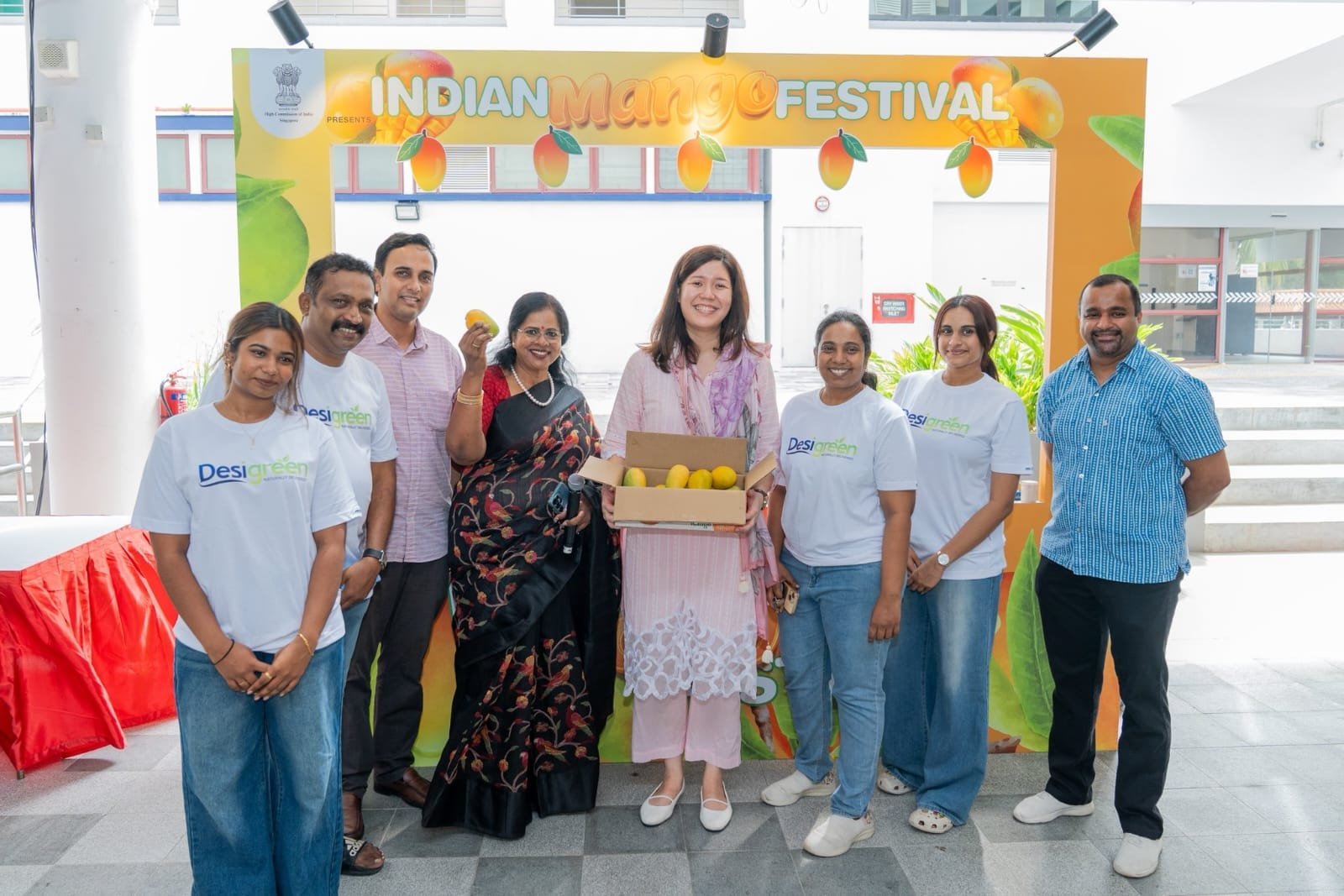
Also held from the start of May was the Mango Festival. Boxes of mangoes from Indian states were promoted and presented as awards to performers of songs, dances and musical programs during a “Threads of Indian Tradition” festival, held in Nee Soon public housing estate on the north east of Singapore on 9 May. The first Indian Mango Festival was held at Festive Walk West in Tampines Hub, another public housing estate on the east coast, from May 1–3, where over 6,000 visitors experienced and savoured 10 varieties of the premium “kings of fruits.”
The festivals are part of promoting foods and fruits from India as the Government continues to promote exports to global markets.
Noting the enthusiastic response from guests and food lovers in Singapore, the High Commissioner of India to Singapore, Dr Shilpak Ambule, elaborated, “These festivals are part of our initiatives to present different facets of Incredible India to Singapore. I am sure that the taste of renowned Indian biryanis will motivate them to know more about India, to visit India and thus, contribute to bringing both sides even closer.”
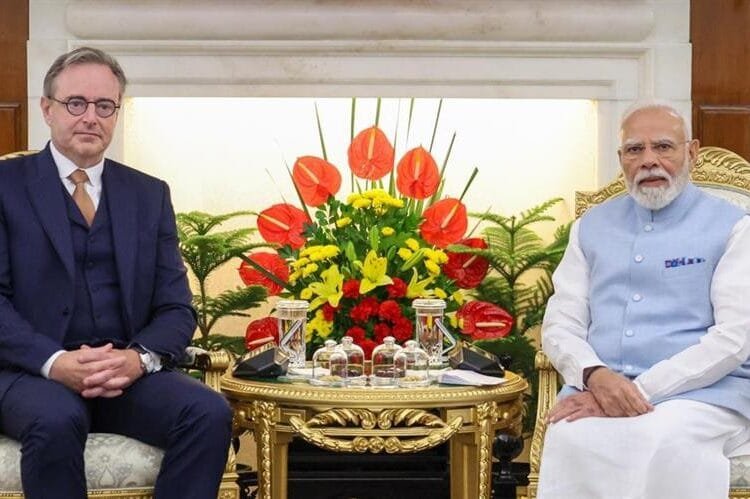
Matthew Bennink, Director of Food and Beverage, Shangri-La hotel in Singapore, has highlighted the significance of biryani as a symbol of India’s culinary traditions and regional diversity as he hosted a Biryani festival at the five-star hotel in the multi-national city state, an international tourist hub.
He said, “Every biryani tells a story of its region, history and culture. Through this festival, we wanted guests in Singapore to experience the authenticity and uniqueness of India’s diverse biryani traditions, from the fragrant Awadhi style of Lucknow to the robust spices of Hyderabad and the distinctive flavours of the South Indian variants.”
“The response from guests on the opening day has been extremely encouraging. It is wonderful to see people appreciating not just the taste, but also the craftsmanship and heritage behind each biryani preparation,” underlined Bennink, a veteran of food and beverages management having led F&B services at international hotels of five-star ratings including hotels in China, Hong Kong, the Philippines, Thailand and the United Arab Emirates.
The festival showcases seven distinct regional biryanis from across India — Hyderabad, Lucknow, Dindigul, Ambur, Thalassery, Delhi and Kolkata — offering diners an immersive culinary journey through India’s rich and diverse food heritage.
The specially curated menu has been crafted with authentic regional recipes and traditional cooking techniques by guest chefs from Shangri-La Singapore, Shangri-La Eros New Delhi and Shangri-La Rasa Sentosa, a Singapore island-based resort of hotels and tourists.
Indian mangoes made strong inroads into Singapore’s public housing neighbourhoods this summer as their sales have been linked up with local cultural programs and skits.
“Through the Indian Mango Festival, our endeavor has been to introduce a diverse range of globally renowned Indian mangoes to our Singaporean friends,” Dr Ambule said.
“We have done one round of the festival last year, and, so far, two rounds this year, and they have been received with enthusiasm,” he said.
“We plan to do more such events in this mango season. We are not just showcasing Indian mangoes, but giving a glimpse of “Incredible India” to our Singaporean friends, with the hope of bringing them even closer to India,” the envoy said.
“The presentation of mango boxes as awards for cultural performances during the festival has sparked greater buying interest for this fruit among not only Indian diaspora but also other people non-Indian community in multi-national Singapore,” observed Tanuja Mohindru, a Singapore-based homemaker who has been living in the country for more than a decade and is regular volunteer at such community festivals.
An item that stood out was Urmi Melam, a drum beats sequence from Tamil Nadu, was played in sync by a team of five artists including the local star Thanesh from the group, Singai Jayy Muzhakam. “I have performed at dozens of events but it is the first time that I have been felicitated with a carton of mangoes, my favorite fruit,” said Thanesh, who goes by a single name.
The event, attended by over 650 Nee Soon residents, celebrated Indian craftsmanship, heritage, arts, music and community, said Sithara Doriasamy, chair of the Nee Soon South Indian Activity Executive Committee and the organizer of the event. The event featured 60 artists and drew residents of Indian origin and non-Indians from the housing estate. Fiinews.com