
Experts call for private sector participation in exhibition infrastructure
India needs to further raise the level of exhibitions and logistics centres and facilities to international standards across the country, having built the state-of-the-art exhibition centres in Mumbai and New Delhi over the past 10 years, industry stalwarts said in Singapore on 5 Aug.
“India has developed impressive infrastructure for the exhibition sector over the past 10 years, but going forward, more is needed, especially the development of in-country facilities with participation of international expertise and expo centres for showcasing indigenous products and services to international trade visitors,” says Ravinder Sethi, Executive Chairman of the R.E. Rogers India Pvt Ltd, a leading exhibition and logistics company in the country.
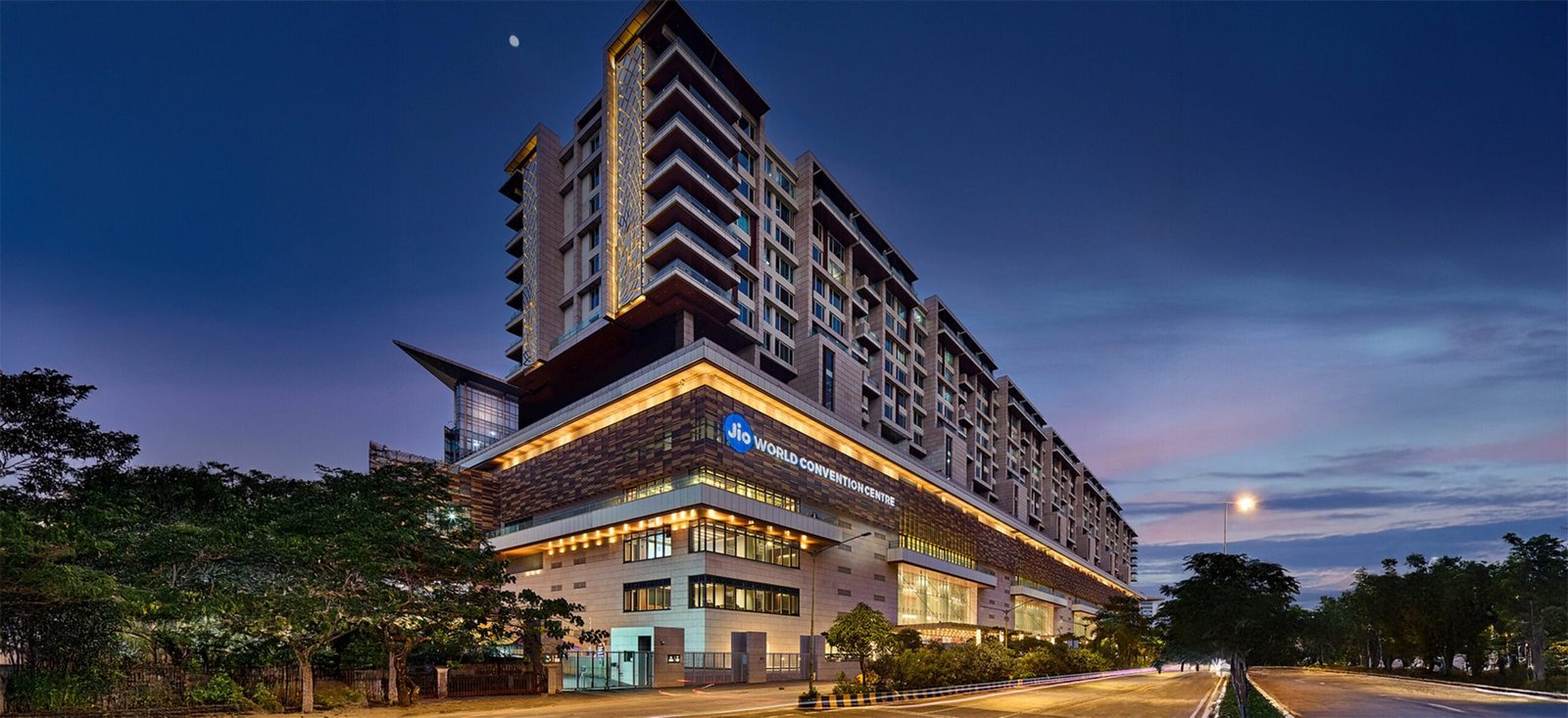
“We need to do more for the exhibition industry, though, no doubt, we have built world-class facilities such as Jio Centre in Mumbai and redeveloped Pragati Madan, now renamed Bharat Mandapam,” added Sethi, an industry veteran of four decades, having worked across Asia, Europe, and the Americas.
As adviser, Sethi had recommended to Reliance Group’s executives to study exhibition and convention centres in Singapore, Malaysia, and other international cities for the Jio World Centre, which, today, is an iconic hub for hosting global and large-scale domestic industry events.
Sethi cited the growing Indian economy and the ever-increasing presence of multi-national corporations (MNCs), pointing out that demand for world-class facilities is coming from global companies with strong bases in India. These MNCs are calling for world-class facilities for showcasing their products and services especially under the government-initiated “Make in India” and “Make for the World”.
Growing domestic demand for indigenous products and services have also seen a good number of exhibitions being hosted in Tier-II cities in recent years, according to Sethi. The Indian manufacturers and service creators have formed a strategic focus on developing trade with global markets while reaching out through the Tier-II cities to digital-savvy rural consumers connected through mobile-network to the latest models from around the world.
“The construction of infrastructure such as convention and exhibition centres are often undertaken by governments as they require huge investments. (But) There are exceptions like the Reliance Group’s Jio World Centre in Mumbai and the Suntec City in Singapore which was established and promoted by Hong Kong-based tycoons in phases between 1995 and 1997 at a cost of US$2.3 billion,” added Edward Liu, managing director of Conference & Exhibition Management Services (CEMS), who is widely known as the “Exhibition Man” in the global MICE industry.
Both Sethi and Liu are of the opinion that India’s private sector should lead collaborations with international expo organizers to build the next phase of world-class exhibition centres in major metros and Tier-II cities for promotion of the country’s export-oriented products and services.
Mega events in Beijing, Shanghai and Guangdong are attracting international trade visitors in ever-growing numbers to view China-made products and services as well as interact with the manufacturing companies, said Liu, an international exposition industry stalwart with more than five-decade of experience.
Sethi and Liu, both being industry leaders acknowledged globally, are confident that collaborations or joint ventures between Indian private sector and foreign exhibition organisers were the immediate need in India to further strengthen the country’s exhibition infrastructure and management.
“No doubt we have built a strong infrastructure for the exhibition industry which is today able to host events around the year,” said Sethi, pointing out that in the past mega trade events were only held during pleasant weather of winter.
MNCs have established themselves in the Indian market and would like to see trade visitors closer to their manufacturing facilities. There is advantage in playing host within the country for boosting exports and engaging global clients, the duo underlined.
Sethi, who attended the Singapore MICE Forum 2026 recently, estimates that an exhibition in India draws huge international visitors for “first-hand” look at Indian products and services. “Pre-Covid, we had nearly 80 per cent of the global delegates and participants at events in India. But post-Covid we are now in the process of re-building international audiences for our events, despite the economic headwinds,” he pointed out.
Liu, who was among the first to start international exhibitions in Singapore in the 1970s, also believes in the “bright prospects” for the Indian exhibition industry as the country’s private sector partnerships with international operators would lead to teams managing events in global markets. Such ventures would also yield good returns on investments especially from large-scale global participants.
Global traders are giving priorities to visiting exhibitions in China and India as the two Asian countries have emerged as leading sources of products and services, according to Liu. He pointed out that the current exhibition landscape reflects the “Asianisation of the MICE industry” in tandem with the “Asian century”. Fiinews.com