
A case for Multidisciplinary-Holistic Undergraduate Education Pathway
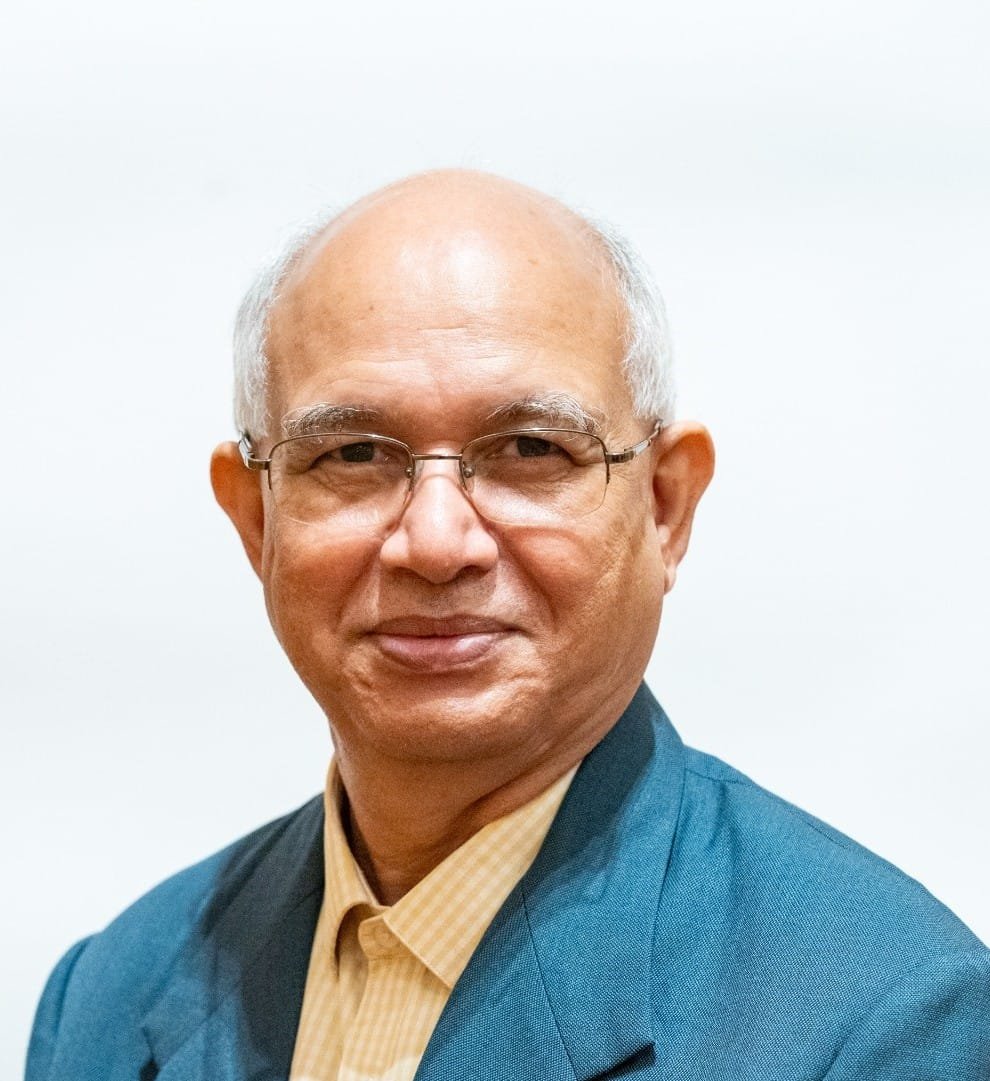
Adolescents aged 16 to 18 or even younger are forced to make almost irreversible career choices before they even know their interests and passion, says Dr. Deepak L. Waikar in an OP-ED article.
The Singapore-based Freelance Educator, Researcher and Adviser argues:
Millions of young Indian students are sucked into organised pressure-cooker coaching hubs. They get trapped in the rat race of preparing for high-stakes entrance tests like JEE, NEET, CLAT, and more. Are we asking our youths to specialize too early, at the cost of genuine talent, mental health, and long-term innovation?
Most students entering engineering, medicine, law, or management have had negligible exposure to real-world research, industry workflows, public service, entrepreneurship, or creative arts. Are their decisions driven by authentic interest and ability, or, influenced by parental dreams, anxiety, social prestige, rank-driven coaching ecosystems, examination scores, peer pressure, and hype in mainstream and social media? Isn’t it time for adopting the Multidisciplinary Holistic Undergraduate Degree as a foundational pathway before professional specialization as advocated in the National Education Policy (NEP) 2020?
In traditional professional setups, career transitions happen constantly. Engineers become project managers, doctors become health administrators, lawyers turn into policymakers, and humanities graduates lead tech firms. These shifts prove an obvious truth: self-discovery rarely happens around 16 to 18 years of age.
Reimagining Elite Institutions as Post Graduate Institutions Imagine a future where India’s premier institutions evolve into world-class specialized post graduate institutes. In such futuristic scenario, IITs and Institution of Eminence become premier post graduate institutes of engineering & technology, AIIMS evolves into advanced graduate institutes of medicine and health sciences, and National Law Universities (NLUs) offer post-graduate legal education.
Undergraduate education is divested to local colleges, institutions, and universities providing opportunity for students to get multidisciplinary holistic education closer to their hometowns. In the proposed model as depicted in infographic, students would enter elite premier institutions for post graduate education not as burnt-out teenagers fresh out of coaching factories, but as mature, self-aware college graduates with proven academic capability, broader perspectives, and refined career goals.
Such post graduate institutes can, then, focus on cutting edge research and development, and innovations in collaboration with industries as well as help enhance ranking globally. What Each Stakeholder Can Gain A transition to the proposed model directly addresses the core challenges faced by every major education stakeholder: Stakeholder Group Current Pain Points Multidisciplinary Holistic Value Proposition Students Burnout, premature career locking, high exam anxiety Time to discover genuine strengths, flexible career choices, and holistic well-being Parents Heavy financial drain from coaching, fear of wrong choices Reduced pressure on teenagers; higher confidence in mature career choices Industry & Employers Unprepared graduates lacking soft skills and adaptability Work-ready candidates with practical experience, critical thinking, and ethics Policymakers & Nation Inequality in exam preparations; high failure/drop-out rates Democratized opportunity for rural/first-generation learners; aligns with NEP 2020 Teachers & Faculty Members Tied to standard syllabi and inflexibility in teaching Potential for Real-world problem solving examples through active learning pedagogies Levelling the Playing Field and Reducing the Exam Crisis The current high-stakes examination culture combined with coaching institutes systematically gives unfair advantages to students who can afford expensive private coaching.
It affects students from rural, tier 3 towns, and economically disadvantaged families. In that context, the proposed alternative approach consisting of holistic evaluation, community & civic engagement, arts and sports, earn and learn, and use of artificial intelligence has a potential to restore balance and equity, especially for disadvantaged students:
• Holistic Evaluation: Admissions to advanced professional programs would evaluate digital portfolios, research work, community impact, and work-study performance alongside academics—rather than relying solely on a single-day exam rank.
• Community & Civic Engagement: Fieldwork through NSS (National Service Scheme) and NCC (National Cadet Corps) can instil national discipline, social responsibility, and crisis resilience.
• Scope for Arts & Sports: Incorporating Arts and Sports as credits rather than just extracurricular activities encourages students to pursue lifelong hobbies and interest.
• Earn-While-You-Learn: Campus work-study initiatives reduce financial burdens on underprivileged families while imparting practical work etiquette.
• AI-Enabled Mentorship: Digital advising tools can map student competencies across disciplines, guiding them toward careers where they will truly thrive.
What Each Stakeholder Can Gain A transition to the proposed model directly addresses the core challenges faced by every major education stakeholder: Stakeholder Group Current Pain Points Multidisciplinary Holistic Value Proposition Students Burnout, premature career locking, high exam anxiety Time to discover genuine strengths, flexible career choices, and holistic well-being Parents Heavy financial drain from coaching, fear of wrong choices Reduced pressure on teenagers; higher confidence in mature career choices Industry & Employers Unprepared graduates lacking soft skills and adaptability Work-ready candidates with practical experience, critical thinking, and ethics Policymakers & Nation Inequality in exam preparations; high failure/drop-out rates Democratized opportunity for rural/first-generation learners; aligns with NEP 2020 Teachers & Faculty Members Tied to standard syllabi and inflexibility in teaching Potential for Real-world problem solving examples through active learning pedagogies
The NEP 2020 Vision for Viksit Bharat 2047 and Bey
This proposal directly operationalizes NEP 2020 which emphasises flexible multidisciplinary learning pathways. As India marches toward Viksit Bharat 2047, the greatest asset will not merely be the number of degree holders, but the adaptability of graduates to uncertain scenarios. Such change requires phased implementation, university capacity building, and collaborative policy alignment among professional bodies (NMC, BCI, AICTE, UGC).
The debate is not about the value of engineering, medicine, law, or management. It is about the fundamental purpose of education. Should we continue to demand that youngsters lock themselves into a lifelong trade without knowing their self-interest and abilities that too at around 17 or 18 years of age? OR should we offer them the space to grow, experiment, discover, and rediscover themselves? If the preference is the latter, young Indians will have an opportunity to discover their purpose before entering a profession. Fiinews.com