
India is looking to move beyond generics, says Minister
Minister of Commerce & Industry Piyush Goyal has invited global pharmaceutical companies to partner with India in its journey towards innovation-led and inclusive healthcare, stating that India’s pharmaceutical industry can double in size over the next five years from its current value of around US$60 billion.
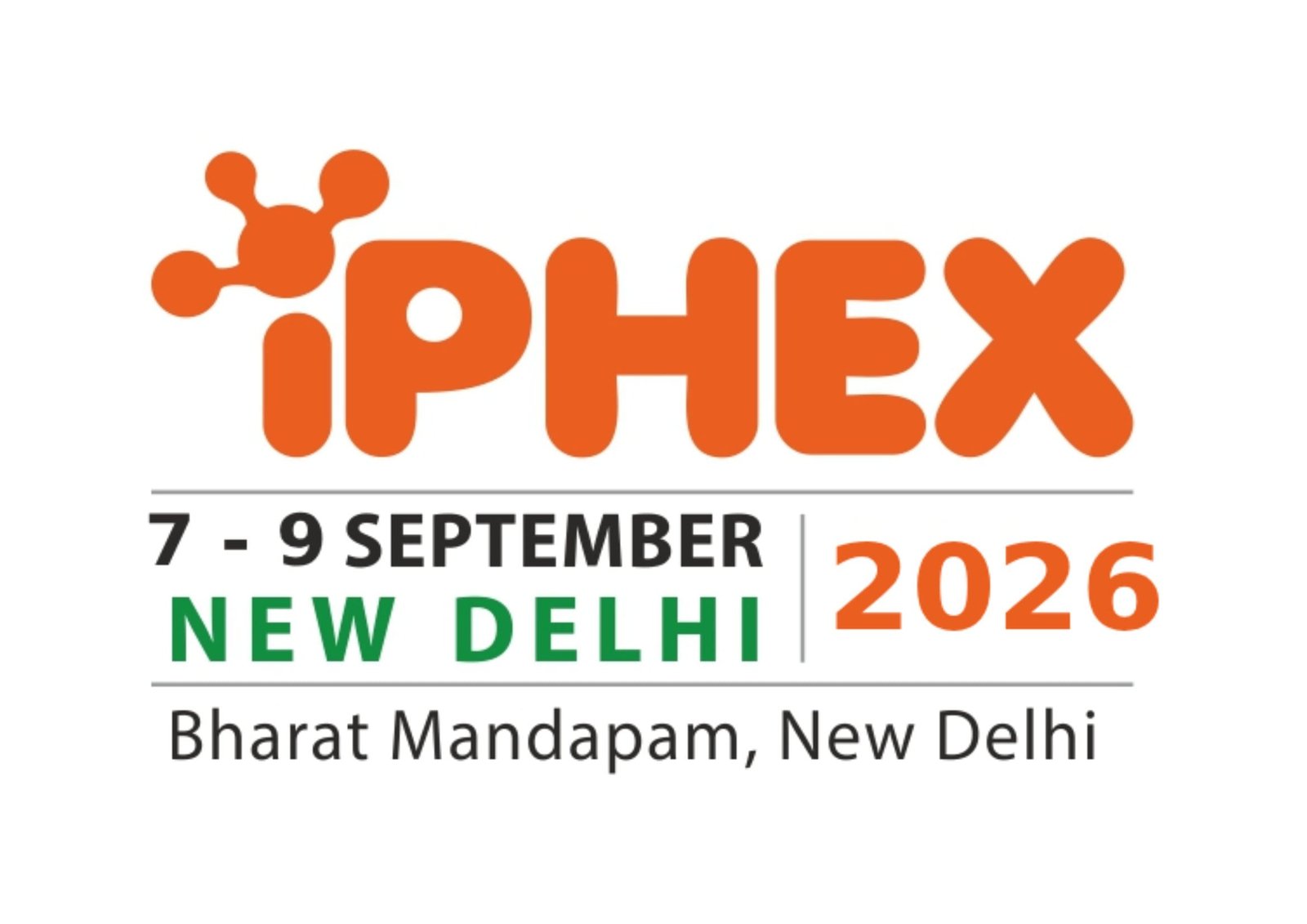
Addressing the Global Ambassador Meet on Pharmaceutical Sector and Curtain Raiser Ceremony of GDRC (Global Durg Regulators Concalve) 2026 and IPHEX (International Pharma and Healthcare Expo) 2026 in New Delhi on 8 June, Goyal said, “India is looking to move beyond generics into innovation-driven pharmaceutical products while continuing to provide affordable medicines to patients across the world.”
Goyal said India sees itself as an integral part of global pharmaceutical supply chains and a trusted partner for countries across the world, whether as a customer, innovator, technology partner, clinical trial destination, or manufacturing hub.
The Minister said India remains the world’s fastest-growing large economy even amid global turbulence, including conflicts in Ukraine and West Asia and the imposition of 50 per cent tariffs by the United States. He noted that India’s economy grew by 7.7 per cent at constant prices during the year ended March 2026.
He further stated that India is prepared to provide market access to high-quality innovative pharmaceutical products from partner countries, noting that India has received preferential market access, including zero-duty access for many pharmaceutical products, under its free trade agreements.
The Minister said that over the past 12 years, under the leadership of Prime Minister Shri Narendra Modi, expanding the international footprint of Indian industry has been a key priority. He noted that India has entered into nine Free Trade Agreements in recent years and now has trade agreements covering more than 50 countries, with preferential market access available across most of the developed world.
Emphasising the importance of India’s generic pharmaceutical industry, Goyal said millions of patients worldwide benefit from affordable medicines supplied by India. He noted that while generic medicines account for 80-90 per cent of the volume of medicines sold in the United States, they represent only about 10-15 per cent of the value, underlining the affordability and societal value of generic medicines. He said India’s competitive advantage lies not only in its talent pool but also in significantly lower operating costs compared to advanced economies.
The Minister outlined three defining strengths of India’s pharmaceutical sector: trust, innovation and partnerships.
On trust, Goyal said India has aligned its Good Manufacturing Practices framework with global benchmarks. He noted that approximately 65-70 per cent of World Health Organization vaccine requirements are sourced from India and that 10 of the world’s 25 largest generic pharmaceutical companies operate from India. He further stated that India has the highest number of US FDA-approved pharmaceutical manufacturing plants outside the United States.
On innovation, the Minister Goyal said India’s patent filings have increased by nearly 100 per cent in recent years. He highlighted the launch of the Biopharma Shakti programme to encourage innovation in the pharmaceutical sector and referred to a $10 billion programme announced by the Government to support innovation across sectors, including pharmaceuticals.
On partnerships, Goyal invited global pharmaceutical companies to establish a stronger presence in India and benefit from the opportunities presented by a market of 1.4 billion people, a rapidly expanding middle class, rising incomes and sustained economic growth.
The Minister stated that more than 100 countries received medicines from India free of cost during the pandemic and that every country which approached India for pharmaceutical support was provided medicines at prices prevailing before COVID-19. He emphasised that India ensured that traders and intermediaries were not allowed to profit from the global health emergency.
He said India seeks enduring partnerships that extend well beyond crises such as pandemics and wars, and reiterated India’s commitment to building long-term collaborations that contribute to innovation, sustainable healthcare production and universal access to quality healthcare.
The gathering was attended by ambassadors, diplomats and international delegates for participating in the event and extended his best wishes for the success of GDRC 2026 and IPHEX 2026. Fiinews.com