
Businesses and institutions urged to actively utilise trade pacts
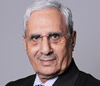
India’s Free Trade Agreements (FTAs), linked to large global corporations, are opening new opportunities for sectors such as the pharmaceuticals, healthcare and medical, while enabling India to strengthen its position in world trade, Commerce & Industry Minister Piyush Goyal has told a budget webinar on 9 Mar https://www.commerce.gov.in/.
These FTAs are linked not only to large industries but also to farmers, fishermen, MSMEs, small industries and traders, he underlined http://ima-india.org.
Addressing the Post Budget Webinar 2026 in New Delhi, Goyal said the nine FTAs signed in the last three to three-and-a-half years, open nearly two-thirds of global trade to the Indian exporters.
“These agreements provide India with preferential access compared to many other countries, with lower duties and expanded market opportunities, thereby opening new avenues to enhance trade,” said the Minister.
Highlighting India’s strong presence in the pharmaceutical sector, he said the country is widely recognised as the “Pharmacy of the World” https://www.bseindia.com/.
The FTA benefits will be realised only when businesses and institutions actively utilise them, while the government can open pathways and create opportunities. “Trade and business must ultimately be driven by industry,” underlined Goyal, calling on the industries to build a comprehensive healthcare ecosystem that brings together manufacturing, innovation, startups and hospitals.
“Such an integrated ecosystem will enable the country to fully utilise the opportunities created through FTAs,” he added.
The Minister pointed out that MSMEs will play a significant role in this process, particularly in quality upgradation. “Strengthening quality standards and testing facilities will ensure that products exported from India enhance the Brand India image and showcase the country’s capabilities globally.”
Goyal further informed that India is expanding its trade engagement with multiple regions of the world. “The Government already has agreements or ongoing negotiations with major economies and regions including the United States, European Union, United Kingdom, Australia and New Zealand, as well as with the four European Free Trade Association countries — Switzerland, Norway, Liechtenstein and Iceland https://www.nseindia.com/.”
Agreements have also been concluded with United Arab Emirates and Oman in the Gulf region, while all six countries of the Gulf Cooperation Council have expressed interest in entering into agreements with India, said the Minister, adding that discussions with Canada are progressing rapidly, while talks are also advancing with Mercosur countries in Latin America and with the Eurasian Economic Union.
Goyal said that the growing global interest in strengthening trade relations with India reflects the recognition of the country’s economic potential. The Indian economy, currently valued at around US$4 trillion, could grow to nearly US$30 trillion dollars in the next two to two-and-a-half decades, presenting a historic opportunity for global economic engagement https://fieo.org/.
He also called for focus on training skilled professionals such as caregivers and nurses, for whom there is significant demand both in India and internationally. “By strengthening skill development, India can build a workforce that supports exports, increases remittances and facilitates the global presence of Indian products and services.”
Goyal also highlighted the importance of digital health and emerging technologies, noting that Artificial Intelligence (AI) and digital health integration are receiving increasing global attention.
India, he highlighted, possesses the talent to develop advanced applied technologies and AI-driven solutions. “These technologies can be used to promote telemedicine and improve diagnostics, helping to deliver better healthcare services to India’s population of 1.4 billion people https://sbi.com.in/.”
He further emphasised the need to develop a comprehensive and holistic integrated healthcare ecosystem. According to the Minister, progress will be limited if different stakeholders operate in isolation. Instead, coordinated efforts among government, industry, healthcare institutions and innovators will ensure greater benefits for the country.
Goyal also underscored the growing global interest in traditional medicine, adding that systems such as Ayurveda and Yoga are increasingly being recognised worldwide https://www.ibef.org/.
He stressed the need to expand research, standardise these systems internationally and promote them globally through collaborations with other countries.
India’s exports crossed US$825 billion in FY 2024-25, reflecting resilience despite global demand volatility and supply chain disruptions. Merchandise exports accounted for nearly US$440 billion, while services exports grew strongly, supported by IT, professional services and emerging sectors. Exports now account for over 20% of GDP and support nearly 40 million jobs directly and indirectly.
While the global trade dynamics is changing with the tariff hikes and logistical disruptions because of conflict in the Europe and Middle East, India has a unique opportunity to expand its export footprint, diversify markets, and create millions of new jobs. As the country aims to achieve US$1 trillion exports in merchandise and US$1 trillion exports in services by FY 2030, strategic reforms and performance-driven initiatives are essential to unlock new growth avenues and enhance global competitiveness. fiinews.com