
Post COVID-19 economic shocks to manifest differently in heterogeneity India
The World Bank has signed a US$400 million project to support India’s efforts at providing social assistance to the poor and vulnerable households, severely impacted by the COVID-19 pandemic.
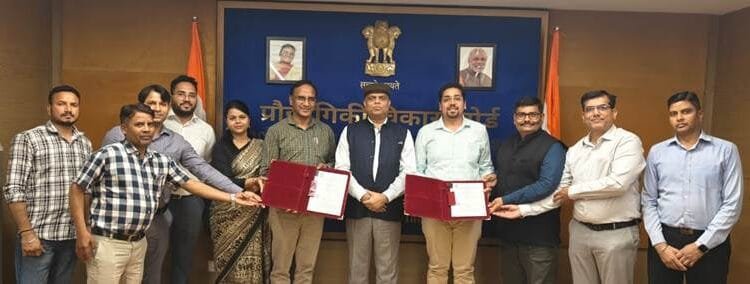
This is the second operation in a programmatic series of two, said the Finance Ministry signing the project support on 16 Dec 2020. The first operation of US$750 million was approved in May 2020.
The programme will strengthen the capability of state and national governments in India to provide coordinated and adequate social protection to the poor and vulnerable from the shocks triggered by the COVID-19 pandemic.
The COVID-19 crisis has brought to the fore the risks that migrants and the urban poor face and the need for governments to strengthen preparedness for future disasters of this nature, said Dr. C. S. Mohapatra, Additional Secretary, Department of Economic Affairs.
“This programme will help further expand and deepen the coverage of India’s social protection systems by helping these vulnerable groups in urban and peri-urban areas across the country,” he said after signing the agreement for the Indian Government.
Early results from tracking the first operation through a representative household survey across India highlights the strengths and challenges of India’s social protection system. The Second Accelerating India’s COVID-19 Social Protection Response Programme signed on 16 Dec 2020 will build on the shifts that the first operation has achieved.
The Indian Government has been actively strengthening the nation’s social protection system in the face of COVID-19 pandemic, noted Junaid Ahmad, World Bank Country Director in India.
“In support of this process, the first operation by the World Bank followed the Government’s lead to scale up pre-existing programmes for emergency relief.
“This second operation will complement the expansion of India’s safety net programmes to create a portable social protection platform ensuring food and cash support for poor households, urban migrants, and unorganised sector workers across state boundaries,” said Ahmad.
Given the continent-like size and heterogeneity in India, the post COVID-19 economic shocks are likely to manifest itself differently at the sub-national, community and household levels.
The new operation will allow flexibility for state governments to cater to their contexts while ensuring that the needs of migrants, informal workers and the urban poor are addressed.
The proposed reforms will allow states to access flexible funding from disaster response funds to design and implement appropriate social protection responses to COVID-19 and future disasters.
Given that larger shares of COVID-19 cases in India are currently in urban and peri-urban areas, geographically targeted support to these hot-spot districts will help deepen social protection coverage in urban areas.
The programme was prepared in collaboration with the Asian Development Bank (ADB), Agence Française de Développement (AFD) and Kreditanstalt Fur Wiederaufbau (KfW).
The US$400 million credit is from the International Development Association (IDA) – the World Bank’s concessionary lending arm. #banking #loans #projects #infrastructure #health /fiinews.com